



In affiliate circles and private chats, the myth of "high-quality Google Ads warm-up without spending" remains surprisingly persistent. Old-school affiliates and farmers continue to teach newcomers schemes that involve weeks of imitating activity:

The logic—to show the system that a real, average user, not a bot, is behind the account—seems ironclad. But the harsh reality of 2025 is that this approach is not only gradually losing effectiveness but is actually becoming toxic. An account with a perfect "human" history but no real spend now looks like a potential threat to the Google Ads algorithms.
Has Google stopped believing in the imitation of social activity? Below, we explain why the YeezyPay team, a service for leasing trusted agency Google Ads accounts, is convinced that the foundation of trust in Google Ads today rests exclusively on financial history.
For illustration, consider a small pizza shop owner. Will they spend two weeks watching only pizza videos to "build cookies"? No. They register an account, immediately fill out the payment profile, often make mistakes setting up the first campaign, and spend a long time struggling with connecting Google Analytics or Google Tag Manager. In short, the behavior is chaotic but has a clear commercial vector: spend money to get customers. Even if they delegate campaign management to a freelancer, the ads won't launch immediately, as the business owner sends everything for approval, sometimes taking days or even weeks of waiting.
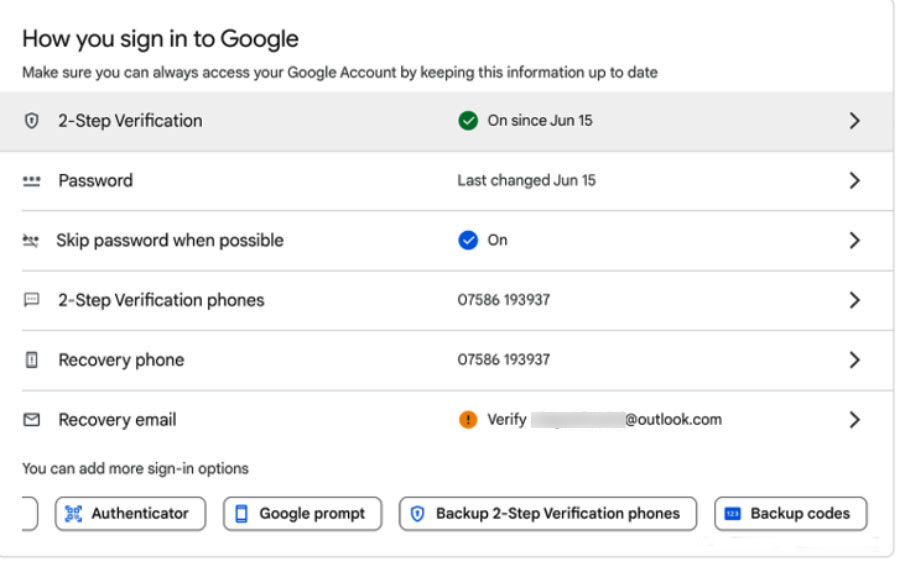
An affiliate or farmer, however, acts according to a script, no matter how hard they try to simulate randomness. They log in via an anti-detect browser, perform a mechanical set of "warming" actions that the system has seen hundreds of thousands of times across other farms, and avoid any complex integrations with analytics. But the most critical pattern is their tendency to delay linking the payment method until the very last minute. For Google's neural network, this behavior indicates "activity without commercial intent." The system understands that the user is preparing the account for something that will likely violate rules or even the law. Consequently, trust plummets. When the affiliate finally decides to run ads, they are starting with a negative credit score.
When an affiliate or farmer links a card to a warmed-up self-registered account, it triggers a deep algorithm check. The search giant looks not only at the funds available for the hold. It also analyzes the BIN and the reputation of the issuer, the GEO of the legal entity's registration, and its match with the Gmail account's GEO, and so on. If it’s a popular virtual card service used by thousands of other affiliates, the account’s trust score instantly drops. In short, when Google sees a prepaid, non-personalized card issued by a neobank without physical branches, it recognizes a high risk of chargebacks and fraud.
Currently, up to 60% of farm account bans for "Suspicious Payments" occur during the card linking and "first billing" stages. Logically, no amount of two-week or monthly activity on YouTube, linking a mobile number, or subsequent account rest periods will prevent this. That is why media buying teams and experienced affiliates have been exclusively using agency accounts in their work for years.
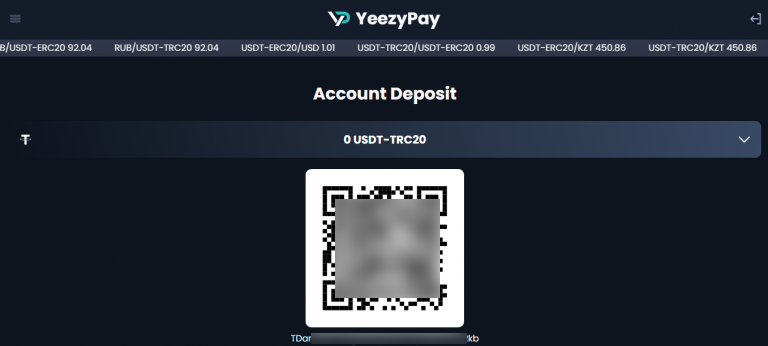
By using trusted agency accounts, which are made available through the YeezyPay service and are tailored for different GEOs, the affiliate effectively exits the primary financial risk zone. There is no need to search for clean BINs, test dozens of virtual card services, or worry over every charge and commission. With YeezyPay, the affiliate funds their balance within the service using a convenient method, such as USDT, and the agency settles with Google through its corporate lines or vetted corporate cards. Linking self-registered accounts to such trusted agency accounts removes the stigma of a "financially unreliable" user even before the first campaign launch.


When assessing the situation with farm accounts, using ready-made solutions is a matter of pure math. Agency accounts, which have an elevated level of trust and loyalty from Google Ads algorithms and live moderators, allow you to smooth out these rough edges. There is no need to invest two weeks and a hundred bucks in an account that might not survive. The affiliate receives a tool that has already passed the "infancy" stage and is ready to work here and now. They can direct their budget not to feeding Google with empty warming campaigns, but to testing real hypotheses and bundles that will generate profit.
Because for Google, just like any other large paid traffic source, a sudden increase in spending on a fresh account is an anomaly. The system does not yet trust the account enough to credit it large amounts or risk showing ads in high volume. Trust on self-registered accounts grows extremely slowly. To scale safely, you would have to increase the budget by only 10–20% every few days. This "turtle's pace" kills the whole point of arbitrage, where you need to maximize a working bundle while it is still alive.
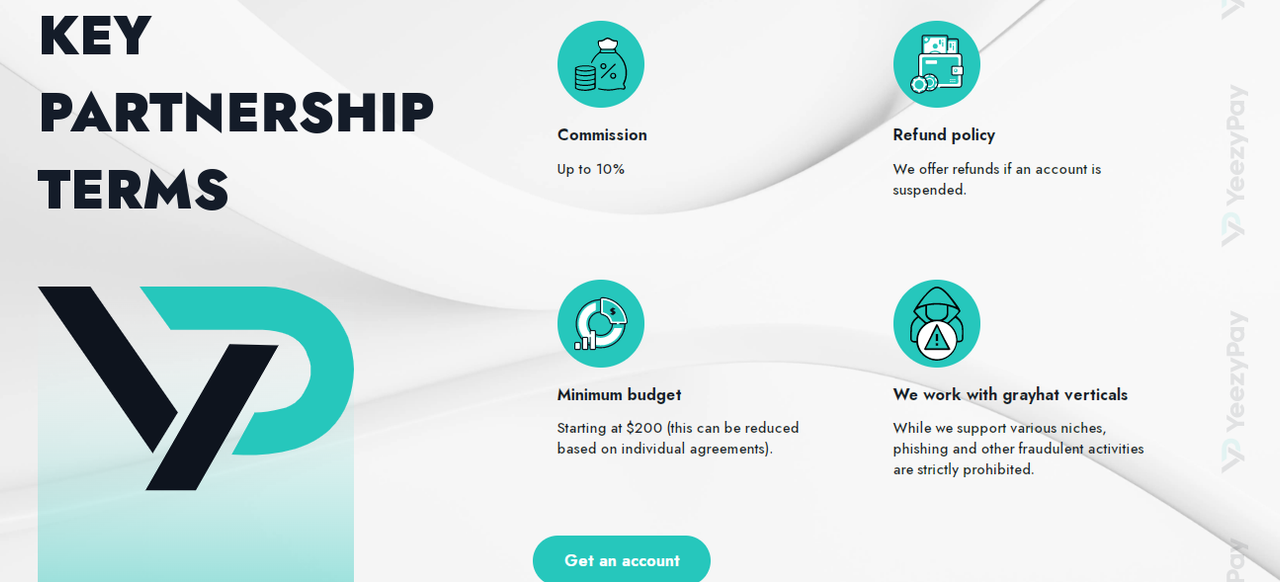
Agency accounts operate in a different league. They have different trust limits from the start. Google understands that an agency, not an anonymous solo affiliate, is behind this account. This allows for much more aggressive scaling of bundles without the risk of an instant block. YeezyPay provides accounts that are capable of handling substantial budgets from the start. This makes it possible to push volume when needed, not just when the algorithm deigns to increase the limits.
- Linking a new phone number;
- Watching dozens or hundreds of YouTube videos whose themes directly or indirectly match the target vertical;
- Scrolling search results, registering on third-party sites via OAuth;
- Exchanging emails between accounts in Gmail, etc.
The logic—to show the system that a real, average user, not a bot, is behind the account—seems ironclad. But the harsh reality of 2025 is that this approach is not only gradually losing effectiveness but is actually becoming toxic. An account with a perfect "human" history but no real spend now looks like a potential threat to the Google Ads algorithms.
Has Google stopped believing in the imitation of social activity? Below, we explain why the YeezyPay team, a service for leasing trusted agency Google Ads accounts, is convinced that the foundation of trust in Google Ads today rests exclusively on financial history.
How AI Distinguishes an Affiliate from a Business by Behavioral Factors
Previously, Google Ads algorithms truly relied heavily on cookies and browsing history. Today, the search giant uses comprehensive behavioral scoring. The algorithms and AI detect a fundamental difference in the behavioral patterns of a real small or medium business (SMB) versus a typical media buyer. This is particularly evident when the latter is running something borderline illegal or prohibited, like gambling or unlicensed citizenship services.For illustration, consider a small pizza shop owner. Will they spend two weeks watching only pizza videos to "build cookies"? No. They register an account, immediately fill out the payment profile, often make mistakes setting up the first campaign, and spend a long time struggling with connecting Google Analytics or Google Tag Manager. In short, the behavior is chaotic but has a clear commercial vector: spend money to get customers. Even if they delegate campaign management to a freelancer, the ads won't launch immediately, as the business owner sends everything for approval, sometimes taking days or even weeks of waiting.
An affiliate or farmer, however, acts according to a script, no matter how hard they try to simulate randomness. They log in via an anti-detect browser, perform a mechanical set of "warming" actions that the system has seen hundreds of thousands of times across other farms, and avoid any complex integrations with analytics. But the most critical pattern is their tendency to delay linking the payment method until the very last minute. For Google's neural network, this behavior indicates "activity without commercial intent." The system understands that the user is preparing the account for something that will likely violate rules or even the law. Consequently, trust plummets. When the affiliate finally decides to run ads, they are starting with a negative credit score.
Why Payment Methods Decide Everything Today
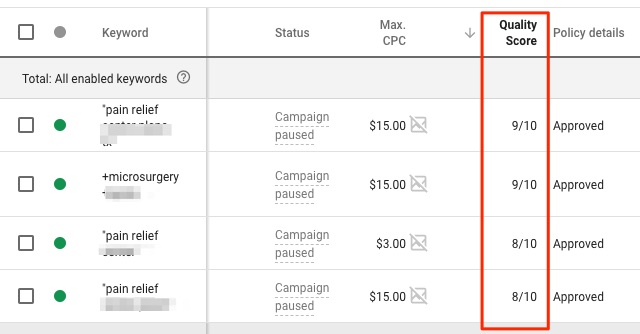
Like it or not, even in 2025, when the market is flooded with virtual card offers for arbitration, payment methods remain one of the biggest pain points for affiliates. First and foremost, Google Ads is a business, and only secondarily an ad network. The system evaluates risks not just by creatives and landing pages (assigning a score from 0 to 10), but increasingly, it looks at the user's ability to pay for advertising.
When an affiliate or farmer links a card to a warmed-up self-registered account, it triggers a deep algorithm check. The search giant looks not only at the funds available for the hold. It also analyzes the BIN and the reputation of the issuer, the GEO of the legal entity's registration, and its match with the Gmail account's GEO, and so on. If it’s a popular virtual card service used by thousands of other affiliates, the account’s trust score instantly drops. In short, when Google sees a prepaid, non-personalized card issued by a neobank without physical branches, it recognizes a high risk of chargebacks and fraud.
Currently, up to 60% of farm account bans for "Suspicious Payments" occur during the card linking and "first billing" stages. Logically, no amount of two-week or monthly activity on YouTube, linking a mobile number, or subsequent account rest periods will prevent this. That is why media buying teams and experienced affiliates have been exclusively using agency accounts in their work for years.
By using trusted agency accounts, which are made available through the YeezyPay service and are tailored for different GEOs, the affiliate effectively exits the primary financial risk zone. There is no need to search for clean BINs, test dozens of virtual card services, or worry over every charge and commission. With YeezyPay, the affiliate funds their balance within the service using a convenient method, such as USDT, and the agency settles with Google through its corporate lines or vetted corporate cards. Linking self-registered accounts to such trusted agency accounts removes the stigma of a "financially unreliable" user even before the first campaign launch.
Why Account Farming Becomes Unprofitable
To clearly show why many are shifting to working with agency accounts and why farming and buying self-registered accounts are becoming unprofitable, let's look at the time and money involved in a clear example. Suppose an affiliate decides to follow the path of classic warming, but now with a small spend, as the new realities demand. To prove to Google that their account is a "whitehat" advertiser's account, they need to spend at least $50–$100 on neutral niches.- Materials: This includes buying a quality account, proxies, an anti-detect browser subscription, and issuing a card—about $5–$20.
- Spend: You must allocate at least $50 for a warming campaign that will not yield a profit.
- Time: 10–14 days of careful spending with a gradual scale-up of bids to avoid triggering fraud filters with an abrupt start.
When assessing the situation with farm accounts, using ready-made solutions is a matter of pure math. Agency accounts, which have an elevated level of trust and loyalty from Google Ads algorithms and live moderators, allow you to smooth out these rough edges. There is no need to invest two weeks and a hundred bucks in an account that might not survive. The affiliate receives a tool that has already passed the "infancy" stage and is ready to work here and now. They can direct their budget not to feeding Google with empty warming campaigns, but to testing real hypotheses and bundles that will generate profit.
The Scaling Trap and the Ban on Takeoff
Another critical point that manual farming advocates forget is scaling. Imagine the self-registered account has passed all the tests, completed the warm-up spend, and started running at a profit. Naturally, the affiliate then increases the budget by 30–50% or even 2–3 times. But right then, they can get an account freeze for review or a ban for "Circumventing Systems." Why?Because for Google, just like any other large paid traffic source, a sudden increase in spending on a fresh account is an anomaly. The system does not yet trust the account enough to credit it large amounts or risk showing ads in high volume. Trust on self-registered accounts grows extremely slowly. To scale safely, you would have to increase the budget by only 10–20% every few days. This "turtle's pace" kills the whole point of arbitrage, where you need to maximize a working bundle while it is still alive.
Agency accounts operate in a different league. They have different trust limits from the start. Google understands that an agency, not an anonymous solo affiliate, is behind this account. This allows for much more aggressive scaling of bundles without the risk of an instant block. YeezyPay provides accounts that are capable of handling substantial budgets from the start. This makes it possible to push volume when needed, not just when the algorithm deigns to increase the limits.
Conclusion
In 2025, the concept of "trust" in Google Ads has fundamentally transformed.- Social Activity is Devalued: Watching videos, surfing, and other "theatrical" farming methods are obsolete and no longer prove reliability.
- Money is the Main Criterion: Google wants to see real financial relationships, not imitation. Trust is now purchased not with clicks, but with clean and stable transactions. Only the existence of successful charges and payment history makes an account "white" in the eyes of the system.
- Infrastructure is More Important than Cunning: Attempts to deceive the system through complex farming are becoming more expensive than working through transparent and reliable tools.


