







Ask any affiliate who's been running gray-hat offers on Google Ads for the past year and you'll hear the same thing: setups that used to run for weeks are now getting nuked in two days. Sometimes less. The knee-jerk reaction is to blame the cloaking service. And sure, that's part of it — but if you're still thinking this is a tooling problem, you're going to keep burning through accounts and budgets without fixing anything.
Here's what's actually happening, and what experienced teams are doing to stay profitable in this environment.
The pattern, based on observations shared across affiliate forums, goes like this:
• Around $5–7 in spend: automated bots run a surface check. Think of it as a second pass after moderation — making sure nothing slipped through.
• At $20–30/day: the AI goes deeper. It's looking at redirect chains, user behavior on the landing page, whether the page actually provides value to a real visitor. If anything looks off, a human moderator gets pulled in.
• At $100+/day: manual review is almost guaranteed. The good news: campaigns that survive this threshold tend to keep running. Getting past it is the hard part.
None of this is officially confirmed by Google — these are practitioner observations from forum threads and private discussions. But the pattern is consistent enough that ignoring it is a mistake.

What's also worth understanding: the old workaround of warming an account for 2–3 days and then immediately jumping to $200–300/day spend no longer works. The system flags that kind of acceleration. Trust needs to be built more gradually and demonstrated over real spending history.
The teams that are consistently making money on Google Ads right now are running from agency accounts. The practical difference is significant: agency accounts from providers like YeezyPay carry substantially more trust out of the gate, warm up in a couple of days instead of weeks, and can scale spend without triggering suspicion the way personal accounts do. Setup is straightforward — message a manager, fund your balance, get account access in the same chat.
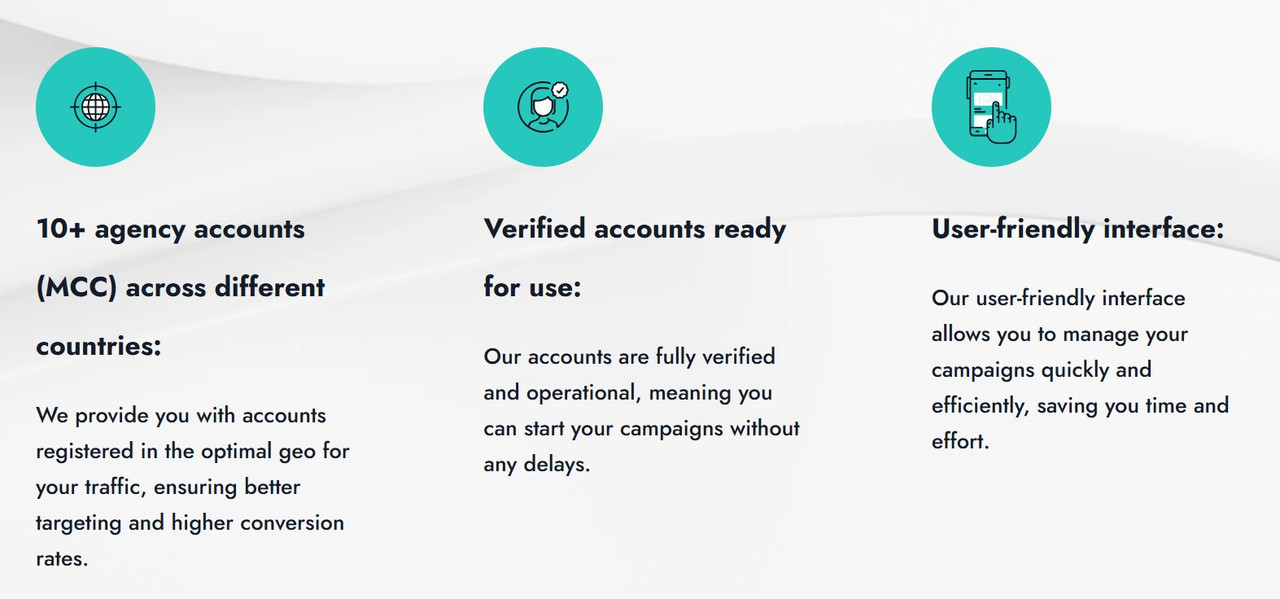
One thing to be careful about: not all agency account sources are equal. Google's bans are rarely isolated. When one account under an agency gets flagged, the algorithms frequently extend that suspicion across the entire cluster of accounts tied to that agency — no explanation required, just a wave of bans. This is why it matters that your provider actively monitors campaign quality across their pool. YeezyPay works with 13+ European agencies and has managers watching for quality issues so one bad actor can't burn everyone else. If an account does get suspended, they help you recover funds and get a replacement.
Treat cloaking as a layered system, not a single tool
Your white page needs to load instantly — any hesitation is a signal. If there are redirects, they should only point to domains with clean histories. The landing needs to look genuinely compliant, not just technically passable. On top of that, set up proper bot and moderator filtering using black/white lists. Keitaro lets you do this manually; custom scripts handle it programmatically. Then layer in rotation — creatives, domains, user agents — and keep warmed-up white-hat landers available to absorb real traffic when needed.
Commission a custom cloaking script
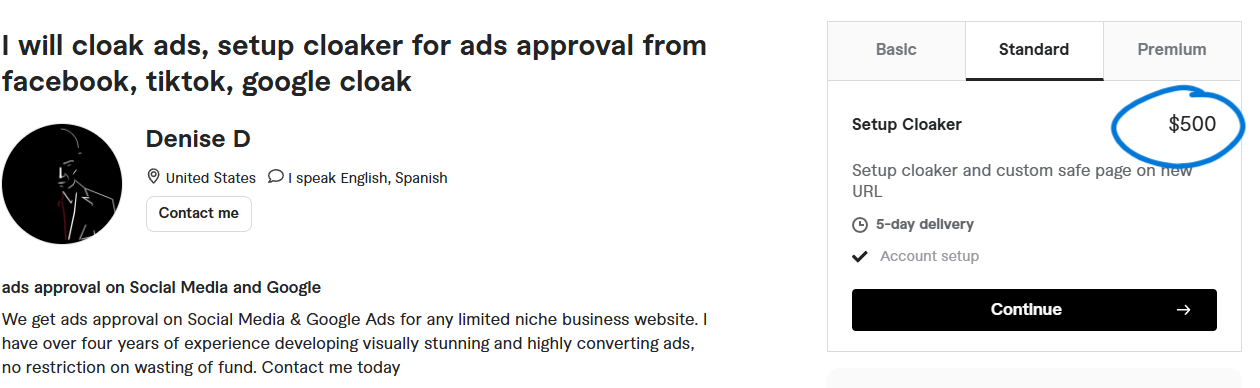
Public cloaking services share enough code similarity that they become identifiable over time. A script built by a freelance developer is unique — harder to fingerprint, harder to flag. It costs more upfront, but the extended campaign lifespan justifies it. This is increasingly where the serious operators are investing.
Get your infrastructure right
Clean domains with SSL, residential mobile proxies matched to your target GEO, and a solid anti-detect browser are all part of the equation.
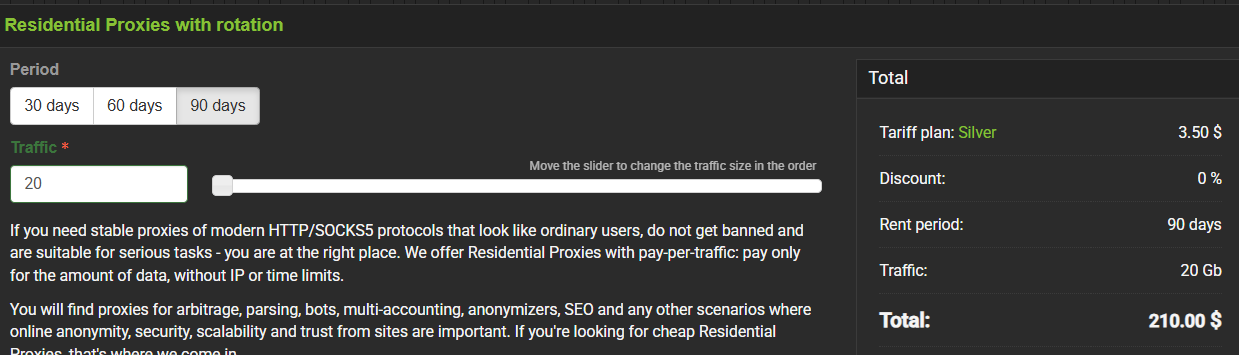
For domains, ExpiredDomains is a good source — check history on WebArchive before buying. Look for domains with no more than 3–5 previous owners and no dramatic shifts in niche or language. Free SSL from Let's Encrypt works, but a paid cert ($15–20/year) reads as more legitimate to automated systems. Proxies need to match your GEO — this is non-negotiable.
The YeezyPay team runs their own campaigns from agency accounts — the platform was built for internal use before it was offered to others. That means the advice comes from people who are dealing with the same moderation environment you are, not from a reseller who's just moving inventory.
Here's what's actually happening, and what experienced teams are doing to stay profitable in this environment.
Google's review system isn't what it used to be
The old model was simple: campaigns got checked at launch, and again if users complained. Efficient, resource-light, and — for a long time — beatable. That model is essentially gone now. Google earns roughly 75% of its revenue from advertising, so it makes complete sense that AI investment would flow into ad moderation first. What affiliates are experiencing is a tiered, spend-triggered review system that re-evaluates campaigns continuously as budgets grow.The pattern, based on observations shared across affiliate forums, goes like this:
• Around $5–7 in spend: automated bots run a surface check. Think of it as a second pass after moderation — making sure nothing slipped through.
• At $20–30/day: the AI goes deeper. It's looking at redirect chains, user behavior on the landing page, whether the page actually provides value to a real visitor. If anything looks off, a human moderator gets pulled in.
• At $100+/day: manual review is almost guaranteed. The good news: campaigns that survive this threshold tend to keep running. Getting past it is the hard part.
None of this is officially confirmed by Google — these are practitioner observations from forum threads and private discussions. But the pattern is consistent enough that ignoring it is a mistake.
What's also worth understanding: the old workaround of warming an account for 2–3 days and then immediately jumping to $200–300/day spend no longer works. The system flags that kind of acceleration. Trust needs to be built more gradually and demonstrated over real spending history.
The account is the real problem — not the cloaking
Yes, popular cloaking tools are getting easier for AI to fingerprint — they use similar enough algorithms that patterns become detectable over time. But the more fundamental issue for most affiliates is the account itself. As traffic costs have risen, more people are cutting corners by launching from personal accounts. That's a losing strategy. Personal accounts have no trust history, hit spend ceilings fast, and get reviewed more aggressively at every threshold.The teams that are consistently making money on Google Ads right now are running from agency accounts. The practical difference is significant: agency accounts from providers like YeezyPay carry substantially more trust out of the gate, warm up in a couple of days instead of weeks, and can scale spend without triggering suspicion the way personal accounts do. Setup is straightforward — message a manager, fund your balance, get account access in the same chat.
One thing to be careful about: not all agency account sources are equal. Google's bans are rarely isolated. When one account under an agency gets flagged, the algorithms frequently extend that suspicion across the entire cluster of accounts tied to that agency — no explanation required, just a wave of bans. This is why it matters that your provider actively monitors campaign quality across their pool. YeezyPay works with 13+ European agencies and has managers watching for quality issues so one bad actor can't burn everyone else. If an account does get suspended, they help you recover funds and get a replacement.
What actually keeps campaigns alive longer
Assuming you've got the account situation sorted, here's what experienced affiliates are doing on the technical side:Treat cloaking as a layered system, not a single tool
Your white page needs to load instantly — any hesitation is a signal. If there are redirects, they should only point to domains with clean histories. The landing needs to look genuinely compliant, not just technically passable. On top of that, set up proper bot and moderator filtering using black/white lists. Keitaro lets you do this manually; custom scripts handle it programmatically. Then layer in rotation — creatives, domains, user agents — and keep warmed-up white-hat landers available to absorb real traffic when needed.
Commission a custom cloaking script
Public cloaking services share enough code similarity that they become identifiable over time. A script built by a freelance developer is unique — harder to fingerprint, harder to flag. It costs more upfront, but the extended campaign lifespan justifies it. This is increasingly where the serious operators are investing.
Get your infrastructure right
Clean domains with SSL, residential mobile proxies matched to your target GEO, and a solid anti-detect browser are all part of the equation.
For domains, ExpiredDomains is a good source — check history on WebArchive before buying. Look for domains with no more than 3–5 previous owners and no dramatic shifts in niche or language. Free SSL from Let's Encrypt works, but a paid cert ($15–20/year) reads as more legitimate to automated systems. Proxies need to match your GEO — this is non-negotiable.
The bigger picture
Gray-hat niches on Google Ads aren't going away — but the bar to run them profitably is rising fast. The affiliates who adapt are the ones building out proper infrastructure, moving to custom cloaking solutions, and sourcing accounts from providers who understand the landscape. The ones who don't are the ones funding everyone else's auctions.The YeezyPay team runs their own campaigns from agency accounts — the platform was built for internal use before it was offered to others. That means the advice comes from people who are dealing with the same moderation environment you are, not from a reseller who's just moving inventory.